
Children spend most of their day at kindergarten, so whether the flooring material is environmentally friendly and safe has become the biggest concern for parents. In recent years, lightweight, wear-resistant, and colorful plastic flooring has increasingly appeared in kindergartens, but questions such as "Is it harmful?" and "Will it hurt if my child falls?" have also followed. Today, based on years of experience in flooring material R&D and production, New World Group will explain one by one the questions that parents care about most.
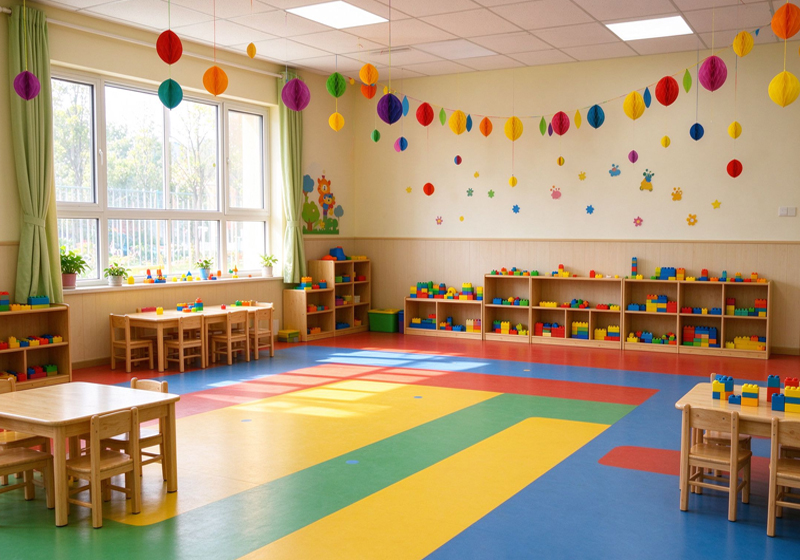
1. Can We Rest Assured About Environmental Friendliness? It Comes Down to the Base Material and Coating
Many parents' first concern about plastic flooring is "Does it have an odor and does it contain formaldehyde?" In fact, the environmental friendliness of plastic flooring mainly depends on the base material formulation and the surface coating process. Reputable manufacturers strictly control quality at the raw material end, and the finished products undergo high-temperature pressing and UV curing treatment, forming a dense, wear-resistant protective layer on the surface — which not only reduces residual harmful substances but also makes it difficult for stains to penetrate and bacteria to grow. When purchasing, it is advisable to proactively ask whether the product has passed relevant environmental testing and request the quality inspection report from the manufacturer, so you can "see it with your own eyes and feel at ease."
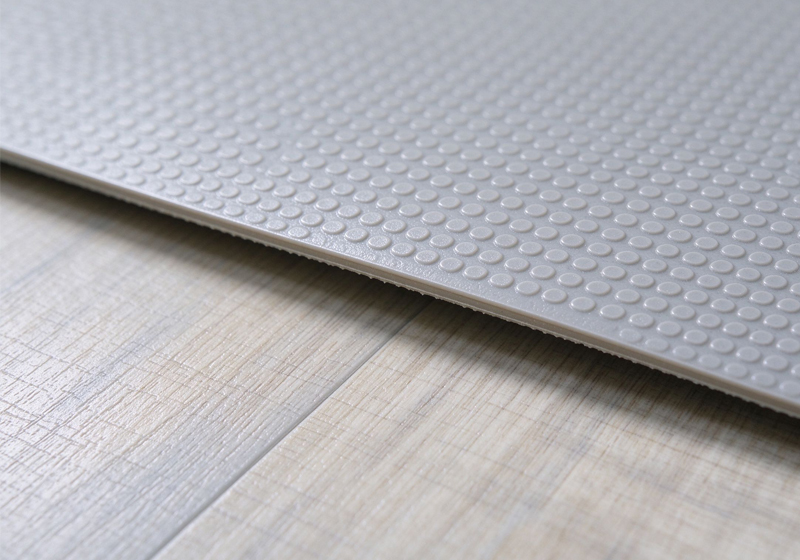
The wear-resistant protective layer on the plastic flooring surface, formed by UV curing.
2. Is It Safe for Children? Soft and Elastic, No Fear Even When They Fall
At kindergarten, it is common for children to run, climb, and sit on the floor, so the cushioning performance of the floor is crucial. Plastic flooring is soft and elastic — stepping on it barefoot does not feel cold or hard. When a child accidentally falls, the floor can absorb part of the impact, providing a certain shock-absorbing and cushioning effect, thereby reducing the severity of bumps and injuries. Even when little babies crawl and play on the floor, the gentle touch does not irritate delicate skin, giving parents greater peace of mind.
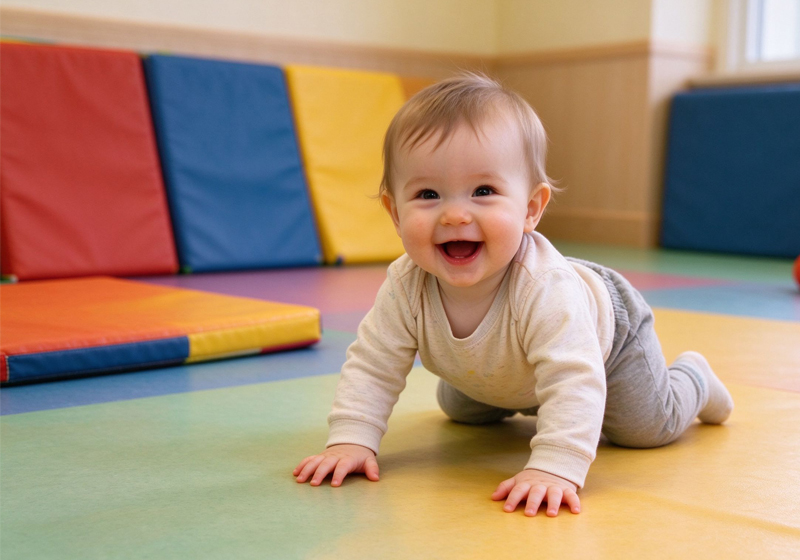
A soft and elastic floor offers children an extra measure of care.
3. Won't It Be Too Noisy and Hard to Maintain? Quiet and Worry-Free
In a kindergarten with collective living, the sounds of running, jumping, and playing can inevitably be noisy. Plastic flooring has inherent sound-absorbing and noise-reducing properties, which can absorb and weaken indoor noise to a certain extent, keeping the classroom relatively quiet and making it easier for teachers to organize activities. Daily maintenance is equally effortless — stains on the surface can be removed with a gentle wipe of a damp cloth, and the floor is not prone to accumulating dust or harboring bacteria, creating a more hygienic and refreshing activity environment for children.
4. Is There a Rich Selection of Patterns? A Variety of Designs Brighten Up Childhood Fun
A child's world cannot do without color. Plastic flooring comes in a wide variety of patterns — wood grain, stone grain, cartoon designs, and geometric color blocks — which can both match the overall decoration style of the kindergarten and guide children's activities and sense of order through different color zones. High-saturation colors and vivid patterns make the classroom livelier and give children an aesthetic awakening and a joyful experience through daily exposure.
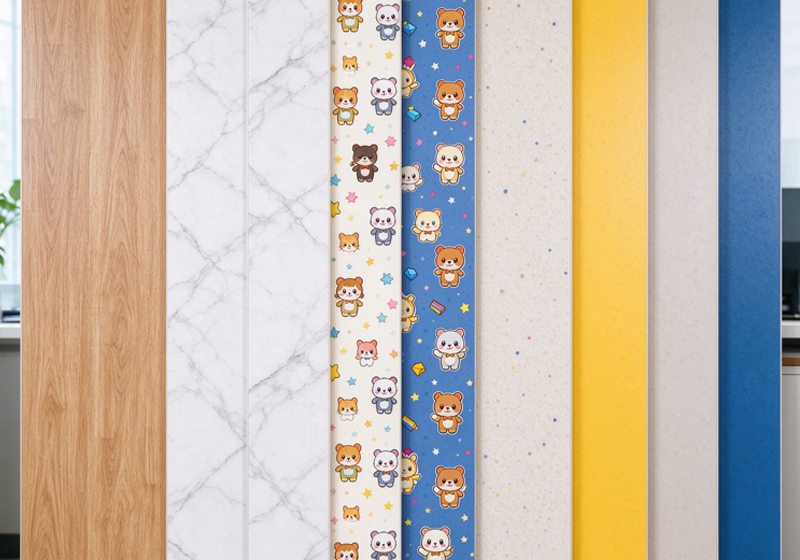
Wood grain, stone grain, cartoon, and other patterns can be freely combined.


 13730103366 (Mr. Huang)
 Email: 13730103366@qq.com
 Address: No. 92, Dugu Town, Xinle City, Shijiazhuang City, Hebei Province, China
XTX·Provide one-stop plastic flooring solutions
Copyright © 2026 xintianxia.com . All Rights Reserved.